

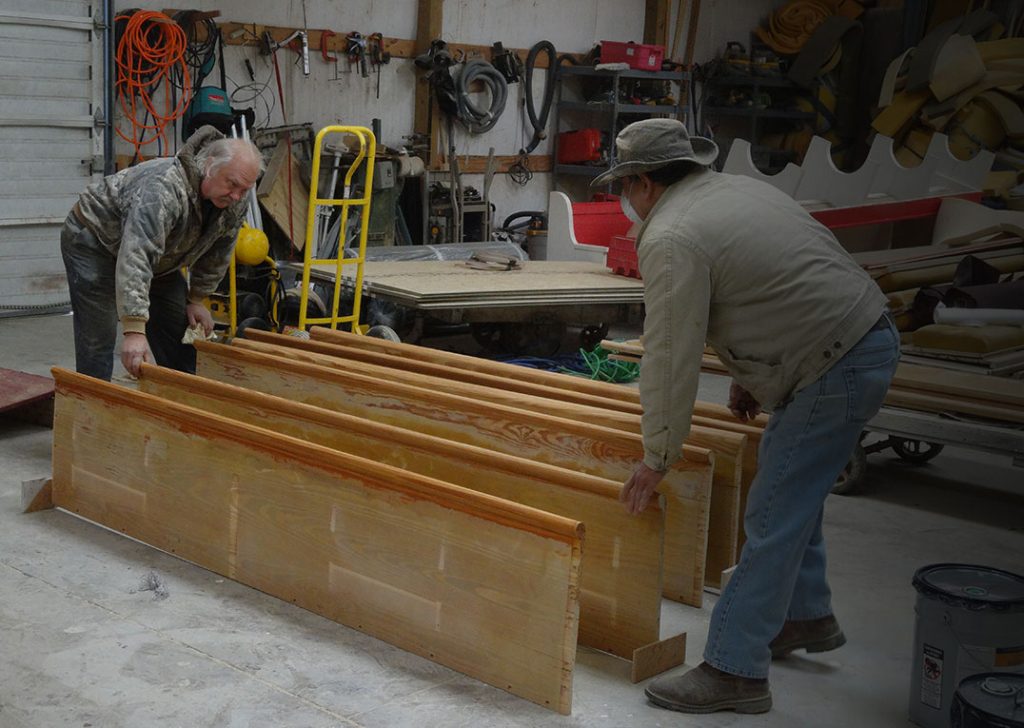
Richmond, Virginia is home to many historic churches with centuries-old wood pews that reflect the city’s rich heritage. These antique benches have witnessed generations of worship, so when it’s time to refresh seating, it’s important to balance tradition with modern comfort and safety. Thoughtful pew reupholstery can honor the past while providing a welcoming place to sit today.
Balancing Tradition and Comfort
Maintaining historic pews means respecting their original character. Craftsmen often avoid high-gloss finishes, using stains that match the original wood tones. Likewise, new cushions or fabrics should fit the period style – for example, muted damasks or simple woven textures in classic colors. At the same time, modern padding adds comfort. As one expert notes, restorers can “erase years of wear… and change the color or the cushion upholstery to give your pews a whole new look” while still honoring the pews’ traditional role. In practice, this might mean adding a thin foam layer under the existing seat or selecting fabric patterns that look vintage. The key is subtlety – the pews should feel very much as the congregation remembers, only more comfortable.
Choosing Materials to Match History
Fabric selection is crucial to preserve your church’s aesthetic. For a Richmond sanctuary, that might mean velvets, heavy silks, or woven jacquards in colors that complement stained glass and woodwork. At the same time, contract-grade fabrics provide durability. Industry experts recommend materials like woven polyester or Crypton, which are engineered to “withstand daily wear and tear” in high-use settings. Many churches choose treated microsuede or vinyl for pew seats because they repel spills and stains and are easy to clean. These modern fabrics can mimic traditional textures – for instance, vinyl can be embossed with a subtle pattern – while outlasting older cloths. The goal is a fabric that looks appropriately period-inspired but endures through years of weekly services.
Fire Safety and Accessibility
Even historic churches must meet today’s safety standards. Upholstered pews in public buildings are generally required to use fire-resistant fabrics and must pass tests like CAL 117 or NFPA 701. McPhail selects only certified, flame-retardant upholstery materials for reupholstering antique pews, ensuring every cushion carries the necessary compliance labels. Accessibility is another modern consideration: while places of worship often have some ADA exemptions, inclusive design is encouraged. McPhail can trim pew ends or leave gaps so that wheelchair-accessible routes (typically 36 inches wide) are maintained. In short, new upholstery and layout changes can make historic seating both safe and welcoming for all parishioners.
McPhail Church Services understands the care that historic pews demand. We take extra care with antique and custom pieces, “using traditional methods and materials to maintain [their] character”. Our craftspeople match fabric patterns, wood stains, and finishing techniques so that repairs look original. Whether it’s refinishing worn wood or expertly re-covering cushions, McPhail’s restoration work blends the old and new seamlessly.
Give your Richmond church’s pews the respectful restoration they deserve. Contact McPhail Church Services today to discuss historic pew reupholstery in Richmond, VA. We’ll help you select fabrics and finishes that honor your church’s history while keeping your congregation comfortable and safe for years to come.